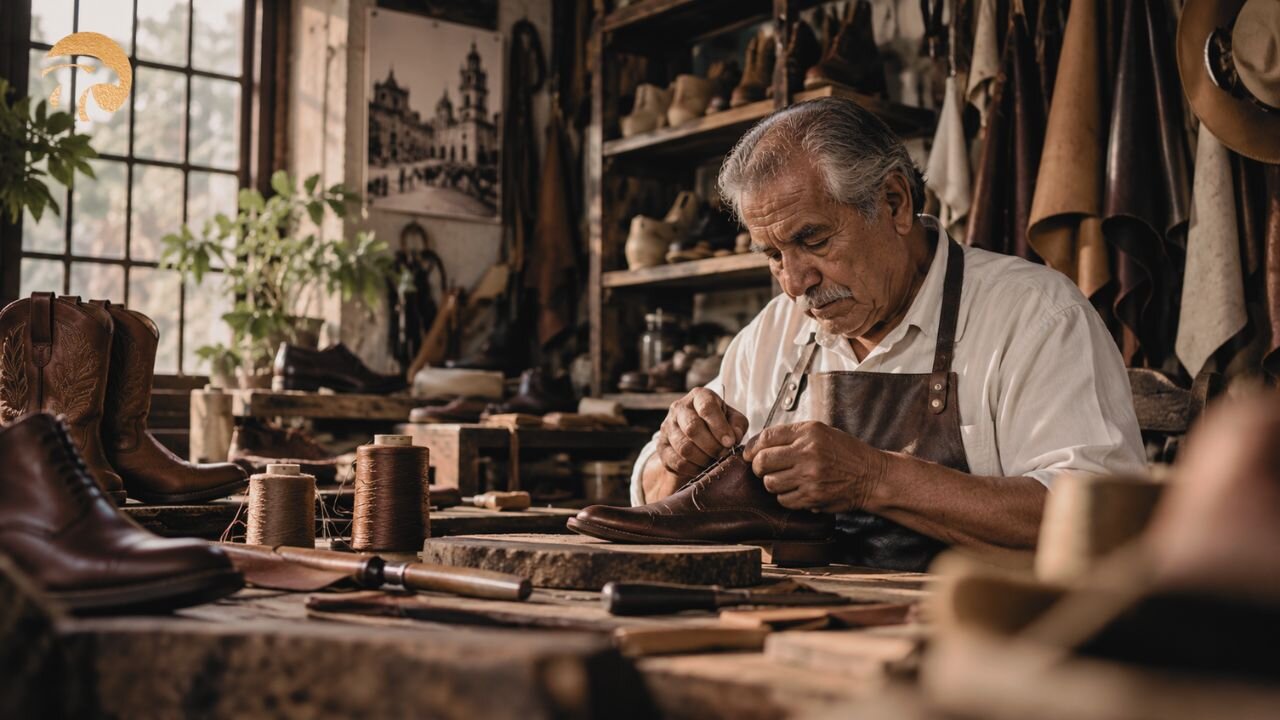
Mexican Crafts and Trades Kept Alive by a New Generation of Brands
Discover how Mexican crafts are evolving through new brands, contemporary design, and e-commerce, while keeping their traditions alive.
Danika
October 19, 2026
Mexican Crafts and Trades Kept Alive by a New Generation of Brands
Some skills can't be learned from books alone. They're passed down through observation, hands-on practice, and years of perfecting a technique.
That's how many traditional Mexican crafts and trades have survived and become part of the country's identity: shoemaking, leatherworking, hatmaking, weaving, and other specialized trades that require experience, precision, and skilled hands.
For generations, these crafts have been practiced in family-owned workshops, small factories, and communities where knowledge is passed from one person to another.
But consumer habits have changed. Trends evolve, new materials emerge, and buyers increasingly look for products that combine functionality, design, and authenticity.
For Mexican brands, this creates an important opportunity: using traditional techniques to develop contemporary products that can reach new markets.
Because preserving a tradition doesn't mean keeping everything exactly the same.
It also means finding new ways to keep it relevant.
What Are Traditional Mexican Crafts and Why Are They Part of Mexico's Identity?
Traditional crafts and trades are skilled occupations that require technical knowledge and abilities developed through hands-on experience.
In Mexico, many of these skills involve working with materials such as leather, textiles, wood, clay, and natural fibers.
Their importance goes far beyond the finished product.
Behind every craft is a combination of experience, production techniques, and knowledge that forms part of the economic and cultural history of different regions.
For example, León, Guanajuato, is widely recognized for its footwear and leather goods industries. Meanwhile, San Francisco del Rincón has developed a strong tradition of hatmaking.
These industries have helped generations of workers, workshops, and manufacturers develop specialized skills.
According to UNESCO, the knowledge and techniques associated with traditional craftsmanship are recognized as expressions of intangible cultural heritage.
This reminds us that the value of a craft lies not only in what it produces, but also in the knowledge that makes it possible.
Preserving Tradition Doesn't Mean Giving Up Innovation
A product doesn't have to look old-fashioned to represent a tradition.
A technique developed decades ago can be used to create a modern accessory, a fashion item, or a product designed for today's needs.
Innovation can appear in colors, shapes, finishes, functionality, or even the way a product is marketed.
What matters is that evolution doesn't come at the expense of the knowledge that makes each process special.
5 Traditional Mexican Crafts Finding New Opportunities
Many traditional trades remain an important part of Mexico's manufacturing industry.
Some are finding new opportunities thanks to brands that combine specialized techniques with contemporary design.
1. Shoemaking: From Traditional Workshops to Contemporary Footwear
Shoemaking is one of the most representative trades of León, Guanajuato.
Behind every pair of shoes is a process that may involve design, material cutting, stitching, lasting, sole attachment, and finishing.
Each stage requires specialized knowledge.
Although tools and production systems have evolved, the experience of skilled workers remains essential to creating a well-finished product.
Today, that expertise can be seen in everything from cowboy boots to casual leather sneakers.
Brands such as Rodamar, which specializes in handmade leather western boots from León, demonstrate how tradition can adapt to different lifestyles.
Its designs preserve the essence of cowboy footwear while appealing to both people who wear boots for ranch-related activities and those who incorporate them into a contemporary urban wardrobe.
Other examples include Guillermo Alvarado and Tenis Walquir, brands that develop casual leather footwear for men.
Together, these examples show how traditional shoemaking expertise can be applied to products with different functions and styles.
Tradition doesn't disappear when design changes.
It evolves to meet new needs.

2. Leatherworking: The Art of Transforming Leather
Leatherworking is another traditional Mexican trade that continues to evolve.
It involves creating products such as belts, wallets, handbags, backpacks, and accessories through cutting, assembly, stitching, and finishing techniques.
For many years, these products were primarily associated with classic designs.
Today, brands are combining leatherworking expertise with modern needs for organization, mobility, and personal style.
One example is Macho Bags, a Mexican brand specializing in leather accessories for men.
Its toiletry bags, handbags, and organizers show how a traditional material can be transformed into functional products designed for travel, professional activities, and everyday use.
Meanwhile, Filorio Savari represents specialized craftsmanship in leather belts, offering designs that incorporate techniques such as hand weaving, embossing, and distinctive finishes.
These products highlight the value of details that often go unnoticed.
Because behind an even stitch, an intricate weave, or a precise finish lies a skill developed through practice and experience.

3. Hatmaking: A Tradition That Continues to Shape Fashion
In San Francisco del Rincón, Guanajuato, hatmaking is an important part of the region's manufacturing heritage.
Creating these pieces may involve molding, shaping crowns and brims, applying finishes, and adding decorative details.
The final result depends on both the materials used and the expertise of the people involved in each stage.
Although hats have historically been associated with rural life and traditional clothing, they also play an important role in contemporary western fashion.
Dustborne, a brand from San Francisco del Rincón, is an example of this evolution.
Its handcrafted cowboy hats combine traditional techniques with modern, rugged designs.
In this way, a product rooted in regional history can become part of new fashion trends without losing its identity.

4. Leather Garment Making: Traditional Expertise Meets Modern Design
Making leather garments also requires specialized knowledge.
From selecting and cutting materials to assembling individual pieces, every stage influences the fit, appearance, and final finish.
Today, leather jackets are available in classic, urban, and contemporary styles.
Brands such as Alle Mexique demonstrate how leather can be used to create fashion pieces that combine functionality and design.
The challenge isn't simply making an attractive garment.
It also involves understanding the needs of today's consumers, developing cohesive collections, and communicating the value of the manufacturing process.
If you'd like to learn more about caring for these garments, check out How to Repair a Damaged Leather Jacket Step by Step.

5. Accessory Making: Small Details, Distinctive Identity
Not every traditional craft results in a large product.
There are also specialized techniques used to create and customize accessories.
Embroidery, decorative applications, stitching, finishing, and assembly processes can become defining features of a brand.
In fashion, these techniques make it possible to create products that express a unique identity.
One example is Sombra Ruda Caps, a Mexican cap brand from León, Guanajuato, known for its original designs and distinctive style.
The brand demonstrates how contemporary accessories can support local manufacturing while creating new opportunities for design and production skills.
Although not every modern accessory qualifies as a traditional craft in the strictest sense, these products can still benefit from the manufacturing expertise developed within Mexico's industries.

How Are New Brands Transforming Traditional Mexican Crafts?
The survival of a traditional trade depends on several factors.
These include passing knowledge to new generations, maintaining demand for products, accessing materials, and adapting to changing markets.
In this context, contemporary brands can play an important role.
Design as a Bridge Between Tradition and Modern Life
Design allows traditional products to be reinterpreted for different consumers.
A cowboy boot can feature a new silhouette.
A woven belt can complement contemporary fashion.
A hat can preserve its traditional manufacturing process while incorporating finishes that reflect current trends.
This combination makes it possible to create products with a strong identity without simply reproducing designs from the past.
The Value of Telling the Story Behind a Product
Today, shoppers can find thousands of similar products online.
That's why communicating a product's features matters, but explaining its origin can also help it stand out.
Where was it made?
What materials were used?
What skills are required to create it?
What makes the brand different?
Answering these questions helps consumers better understand what they're buying.
This is where storytelling becomes a valuable marketing tool. It's not about inventing emotional stories. It's about clearly communicating what genuinely makes a product different.
E-Commerce Creates New Opportunities for Mexican Manufacturers
For generations, many workshops relied primarily on local customers, distributors, or physical retail locations.
Today, digital tools allow businesses to showcase their products to people in other cities and even other countries.
This creates an opportunity for manufacturers looking to expand their reach.
However, having an online presence doesn't automatically guarantee sales.
Businesses also need quality photography, clear product descriptions, reliable information, and effective customer service and delivery processes.
If you own a business, understanding the most common mistakes when creating an online store can help you build a stronger digital strategy.
From a Mexican Workshop to an International Customer
Imagine a small leather goods manufacturer.
For years, its products were sold primarily in its hometown.
With the right digital strategy, that same manufacturer could showcase its catalog to buyers in other parts of Mexico, the United States, or Canada.
This doesn't mean abandoning traditional manufacturing methods.
It means using new channels to introduce that craftsmanship to more people.
Of course, selling internationally requires planning.
Shipping costs, import requirements, and delivery times must all be considered before offering products in other markets.
To learn more, explore our Guide to International Shipping from Mexico.
What Challenges Do Traditional Mexican Crafts Face Today?
Despite new opportunities, traditional trades also face significant challenges.
One of them is passing specialized knowledge to younger generations.
Some techniques require years of practice, and there aren't always enough people interested in learning them.
Another challenge is competing with mass-produced products that can be sold at lower prices.
Manufacturers may also face difficulties related to material availability, technological modernization, and marketing.
According to information from INEGI, Mexico's economic activities can be studied through economic censuses and statistical data that help explain the country's manufacturing structure.
Meanwhile, Mexico's Secretaría de Economía provides information about business development and national production activities.
Understanding these challenges matters because preserving a traditional trade requires more than recognizing its cultural value.
It also requires creating sustainable economic opportunities for the people who practice it.
Mall Gran México Export: Connecting Mexican Traditions With New Markets
At Mall Gran México Export, we recognize the value of businesses that transform materials, knowledge, and experience into products made in Mexico.
Our digital platform aims to give Mexican brands greater visibility and connect their products with new buyers.
From footwear and leather goods manufacturers to brands specializing in hats, accessories, and clothing, each business represents a different part of Mexico's diverse manufacturing industry.
Technology can help these businesses expand their commercial reach while continuing to communicate their unique identity.
Because behind every product is hard work, specialized knowledge, and a story worth sharing.
Is Your Brand Part of Mexico's Manufacturing Industry?
If you manufacture products in Mexico and want to expand your digital presence, Mall Gran México Export would love to learn about your brand.
Your experience, designs, and manufacturing processes could find new opportunities through e-commerce.
Get in touch and discover how to bring your brand to new markets.
Contact:
Frequently Asked Questions
1. What's the Difference Between a Traditional Craft and Industrial Manufacturing?
A traditional craft generally relies on technical knowledge acquired through hands-on practice and passed down between individuals or generations.
Industrial manufacturing may incorporate standardized processes, machinery, and larger-scale production.
However, both approaches can share knowledge and techniques.
2. Can a Machine-Made Product Still Incorporate Traditional Techniques?
Yes. Using modern tools doesn't necessarily eliminate traditional knowledge.
Some manufacturers combine machinery with specialized manual processes, depending on the product and their production methods.
3. What Does It Mean When a Product Has a Distinct Regional Identity?
It means that its characteristics, history, or manufacturing processes are connected to a particular place.
However, this doesn't necessarily mean the product has an official designation of origin or certification.
4. How Can Consumers Help Preserve Traditional Crafts?
Consumers can learn about where products come from, get to know the manufacturers behind them, appreciate the work involved in making them, and choose brands that are transparent about where and how their products are produced.
